The goal
Most FPV builds trade range for agility. I wanted the opposite — an airframe that could go ten miles out and come back, with enough endurance to be useful for mountain surfing and, in principle, for search and rescue.
The build
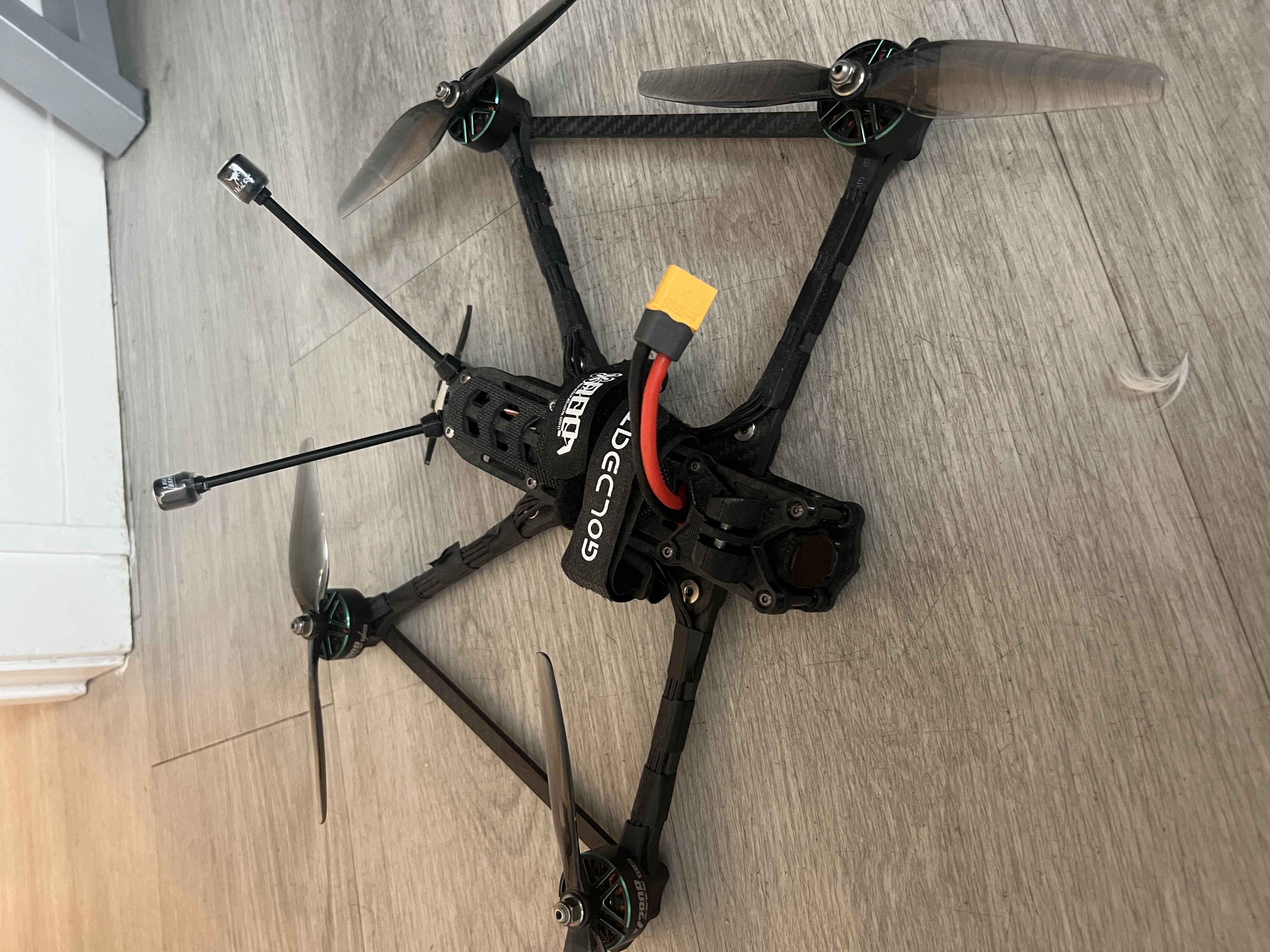
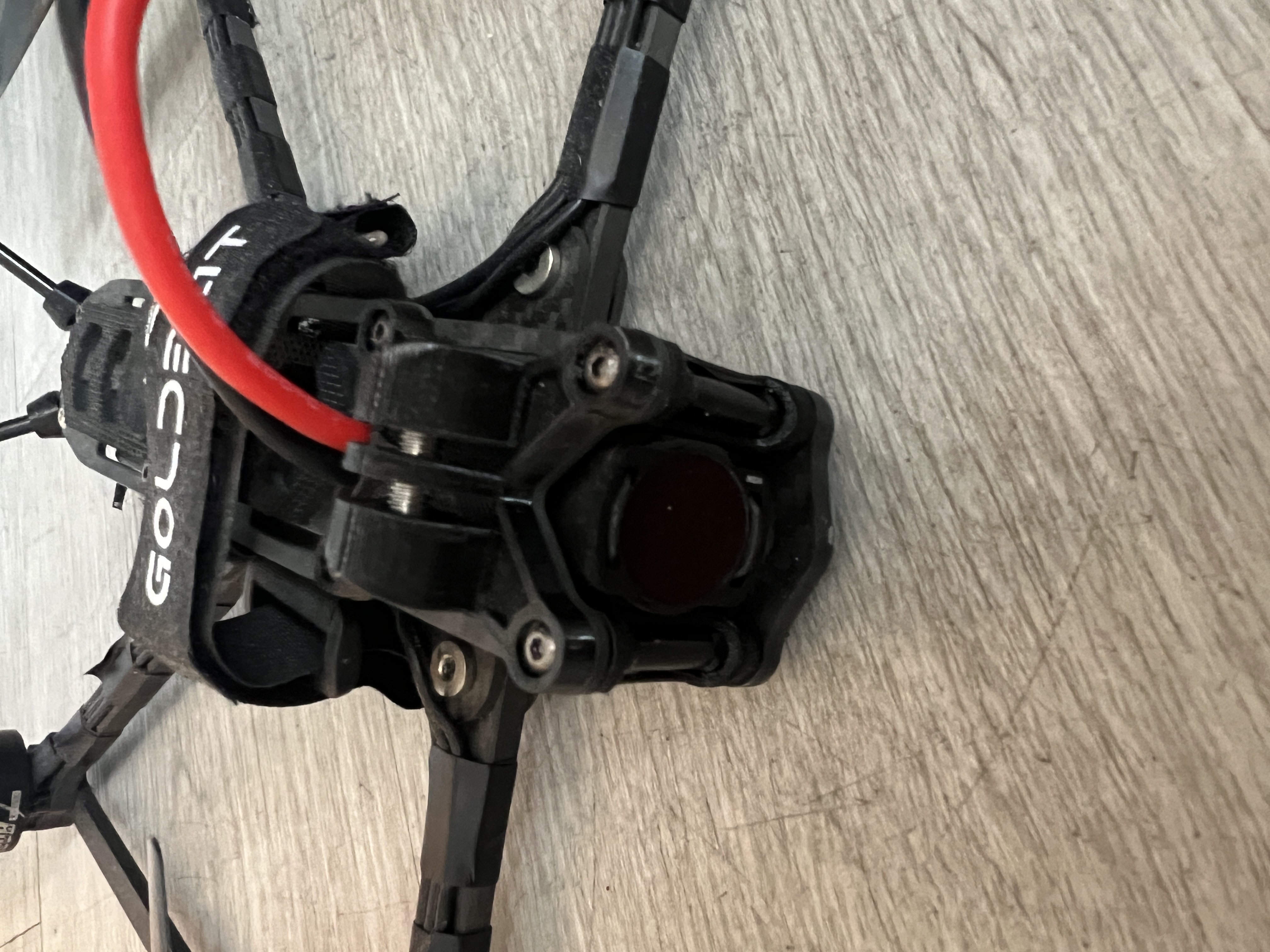
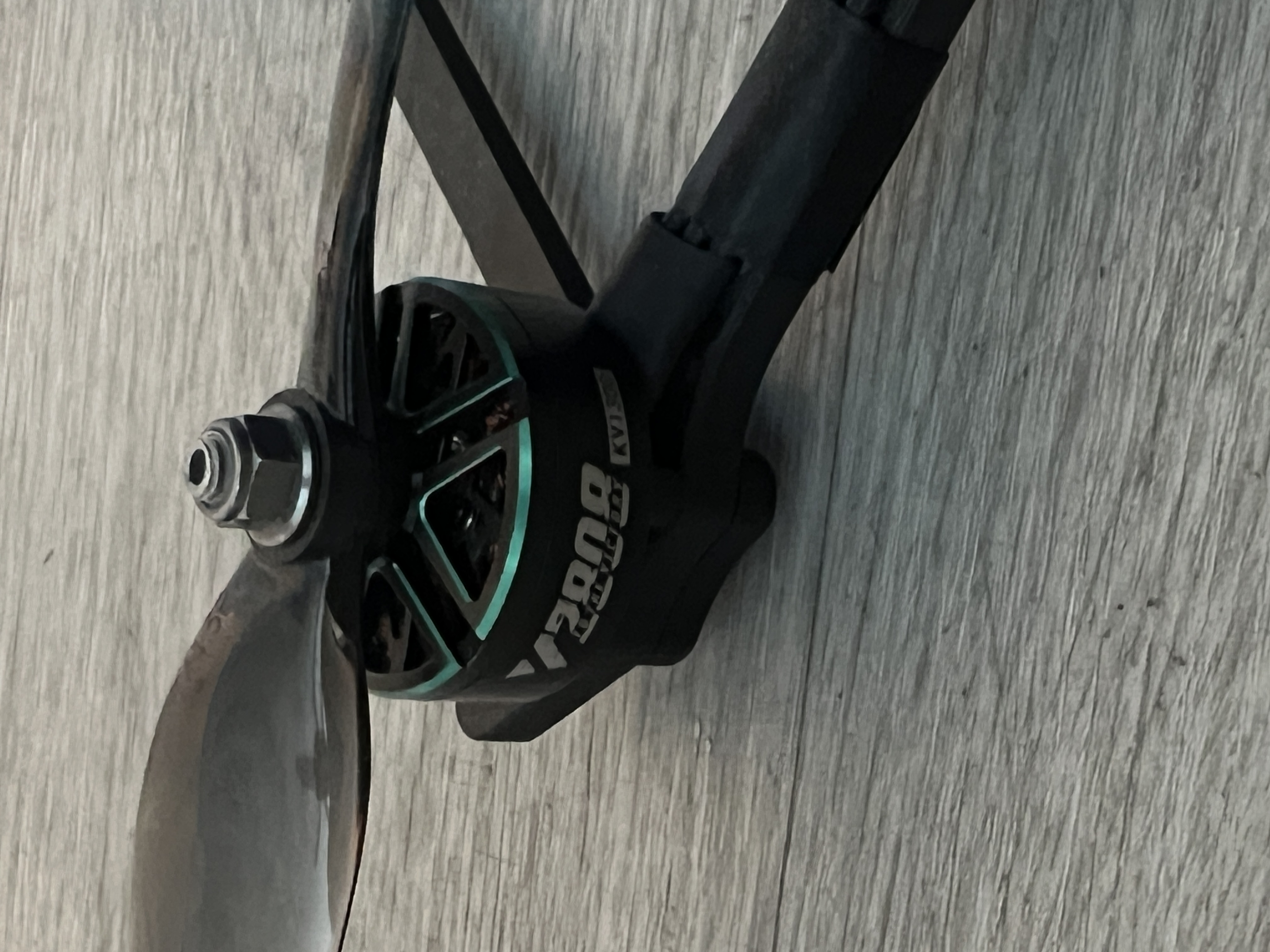
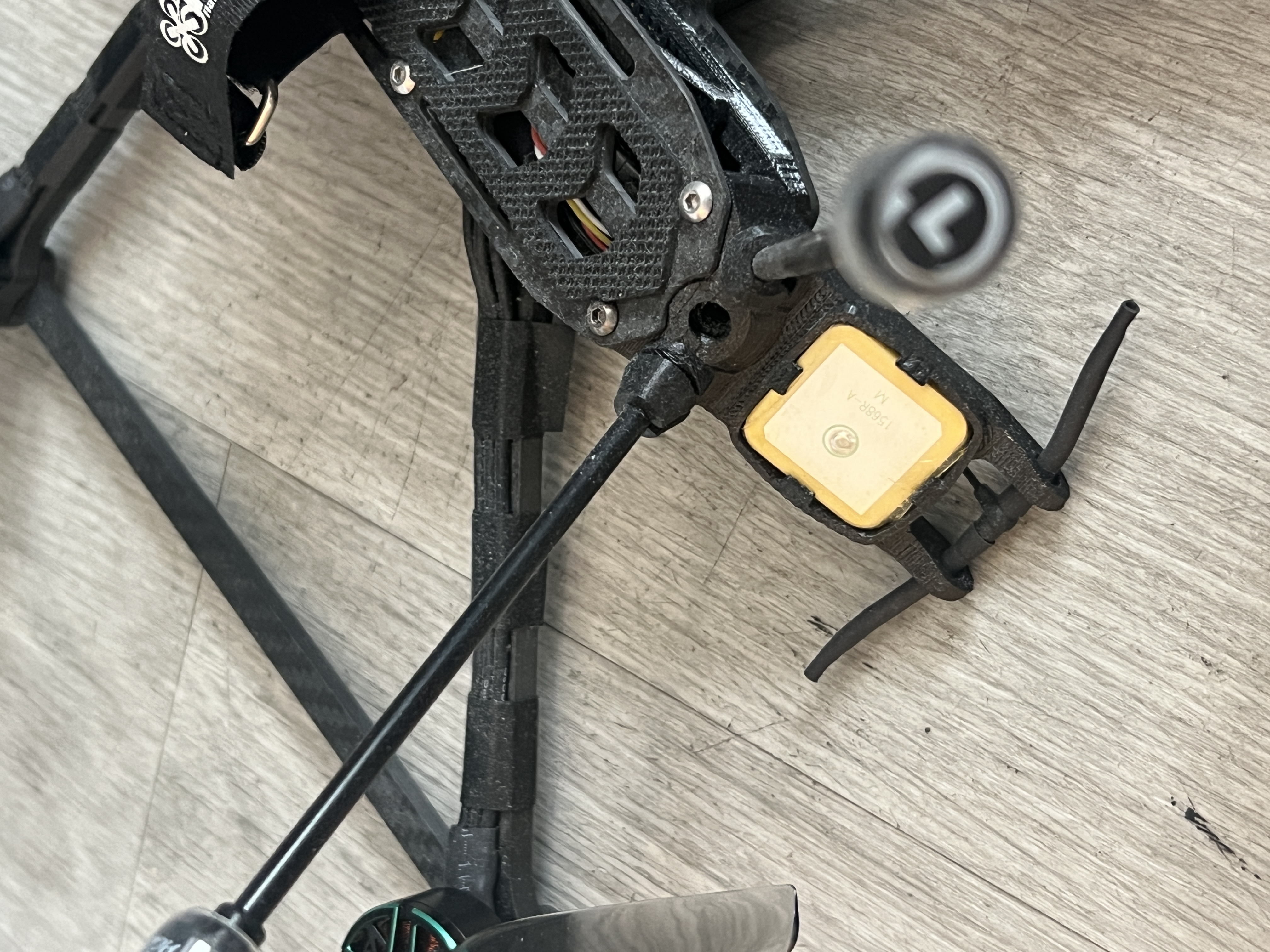
A 7-inch airframe with onboard GPS, built for range and endurance rather than raceability. It hit the 10-mile goal and flies roughly 30 minutes on a pack.
The design brief drove every choice. Long range means a GPS-based return-to-home is not optional — losing video link ten miles out without one means losing the aircraft. Endurance means the weight budget rules everything, and every gram of frame is a gram not spent on battery.
Flying it legally
I hold an FAA Part 107 commercial remote pilot license, and a meaningful part of long-range flying is knowing where and when you are actually allowed to operate. Airspace classification, altitude limits, and visual-observer requirements decide where this aircraft can fly before any technical consideration does.
At the ASU Drone Club
As Flight Lead my job is mostly other people's aircraft, not my own. I teach new members to fly without crashing, coordinate fly days, and find locations and time windows that comply with FAA regulations.
When something goes down in the field, I am the one repairing it there. Diagnosing a drone on a folding table in the desert with the parts in your bag is a different skill from building one at a bench, and it has made me much faster at isolating what actually failed.