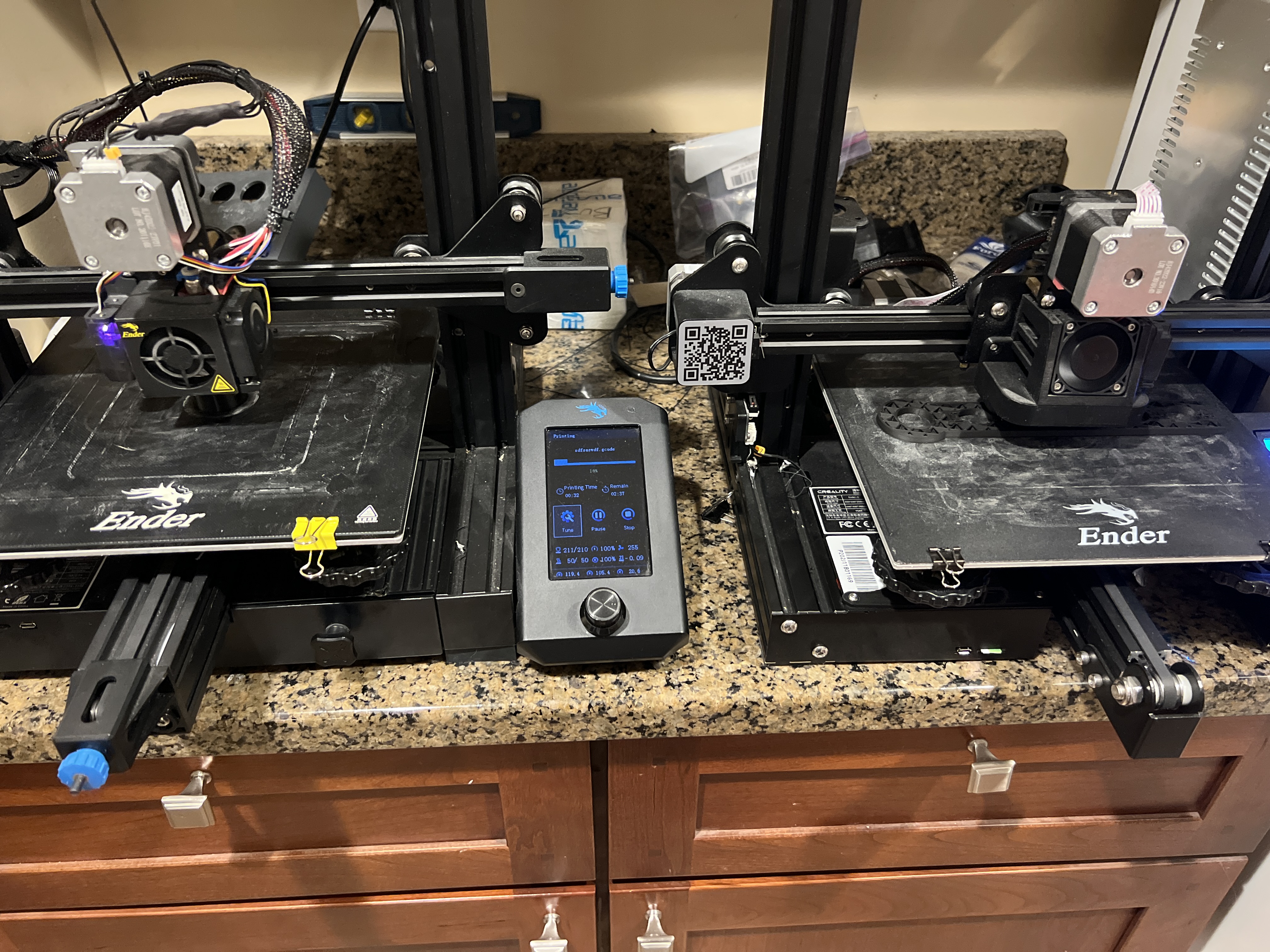
The goal
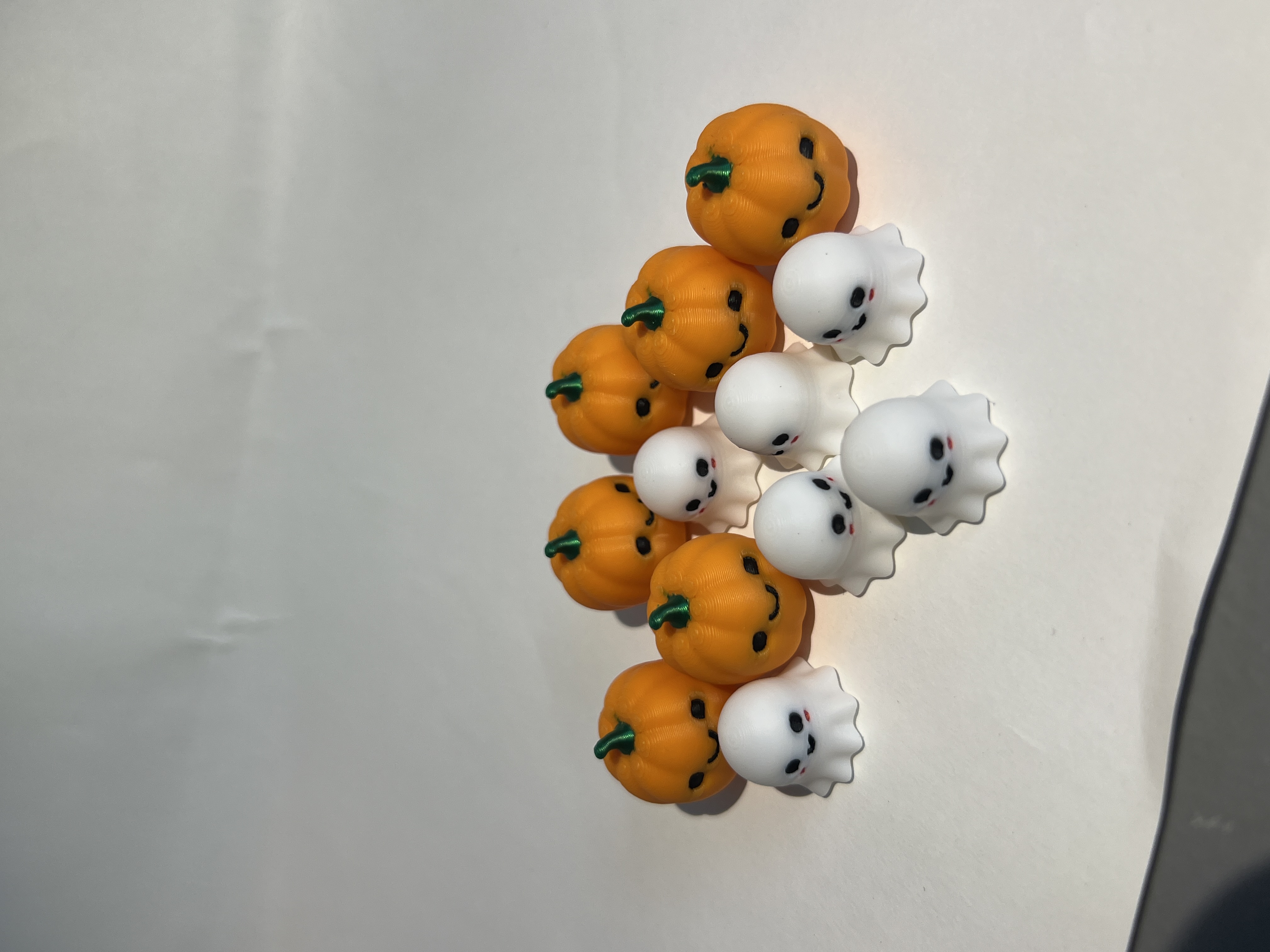
This started as a way to pay off my printers. It turned into a design business — most of the work is not printing files people bring me, it is solving the problem they actually have.
What the work actually is
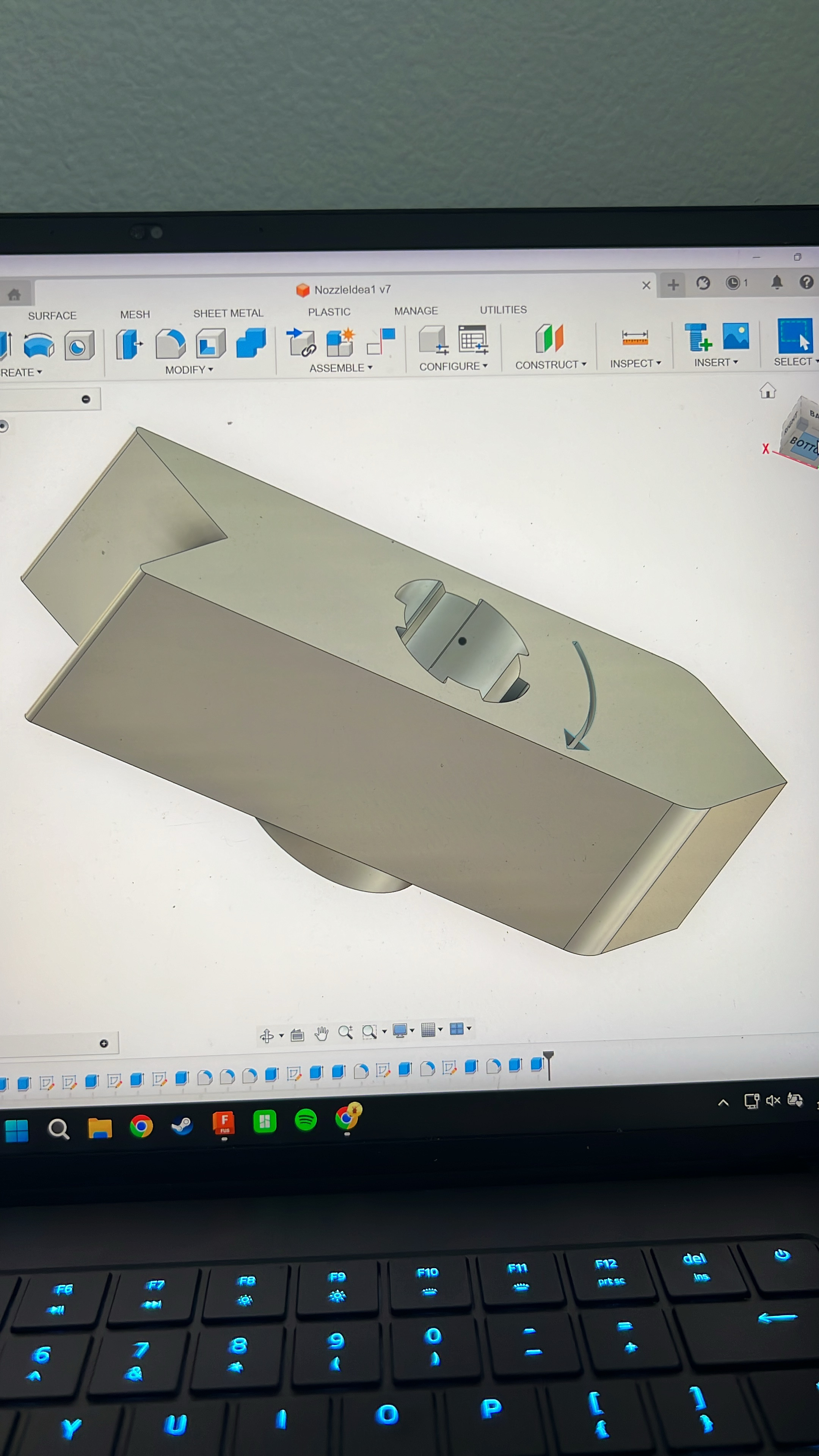
The distinction that matters: this is not a print-and-sell operation. Customers come with a problem rather than a file, and most of the value is in the design work before anything reaches a printer.
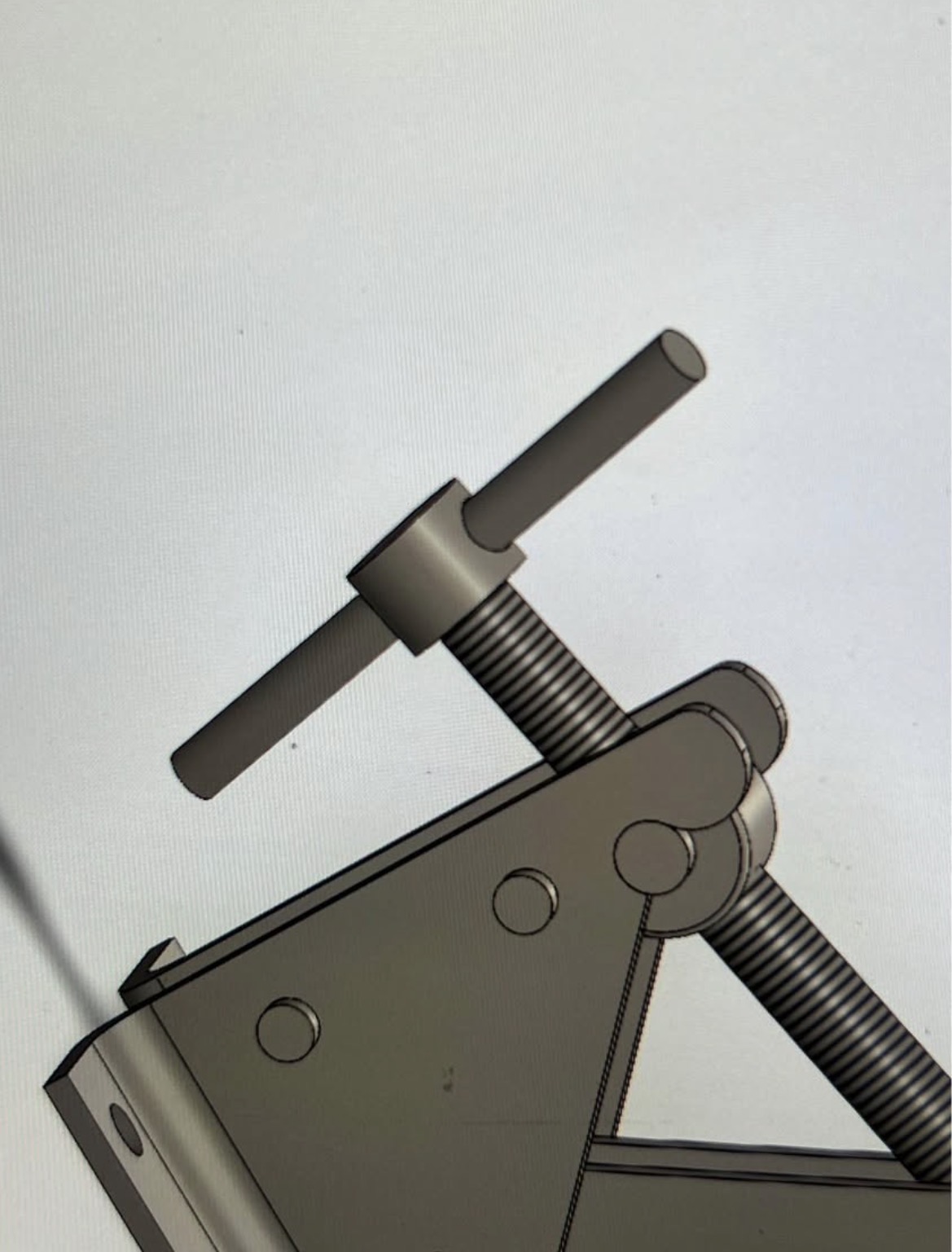
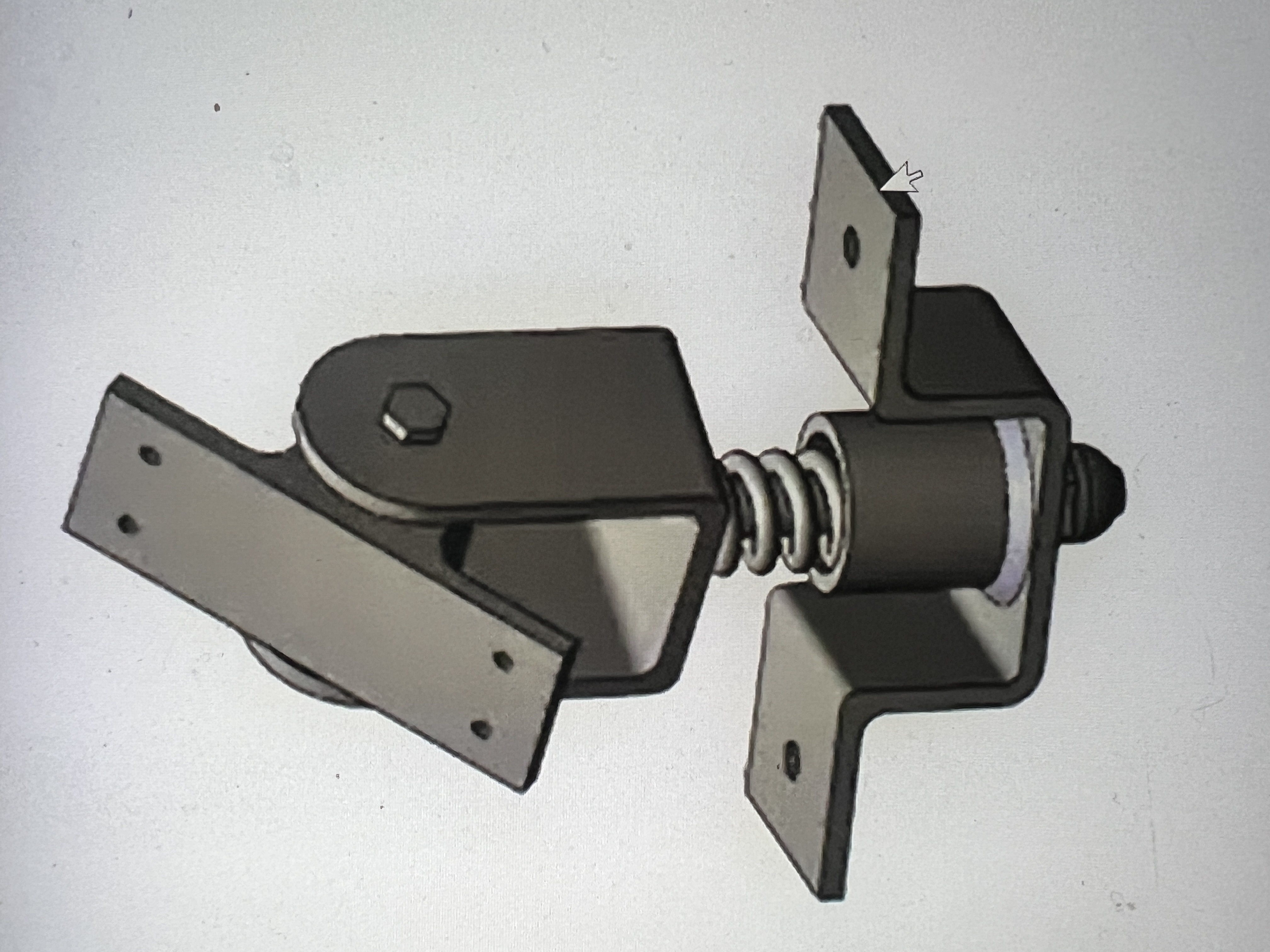
That is where my own projects pay off directly. The same process I use to work out a motor mount or a linkage geometry is what I use to work out a customer's fixture — understand the constraint, design to it, iterate when the first version does not fit.
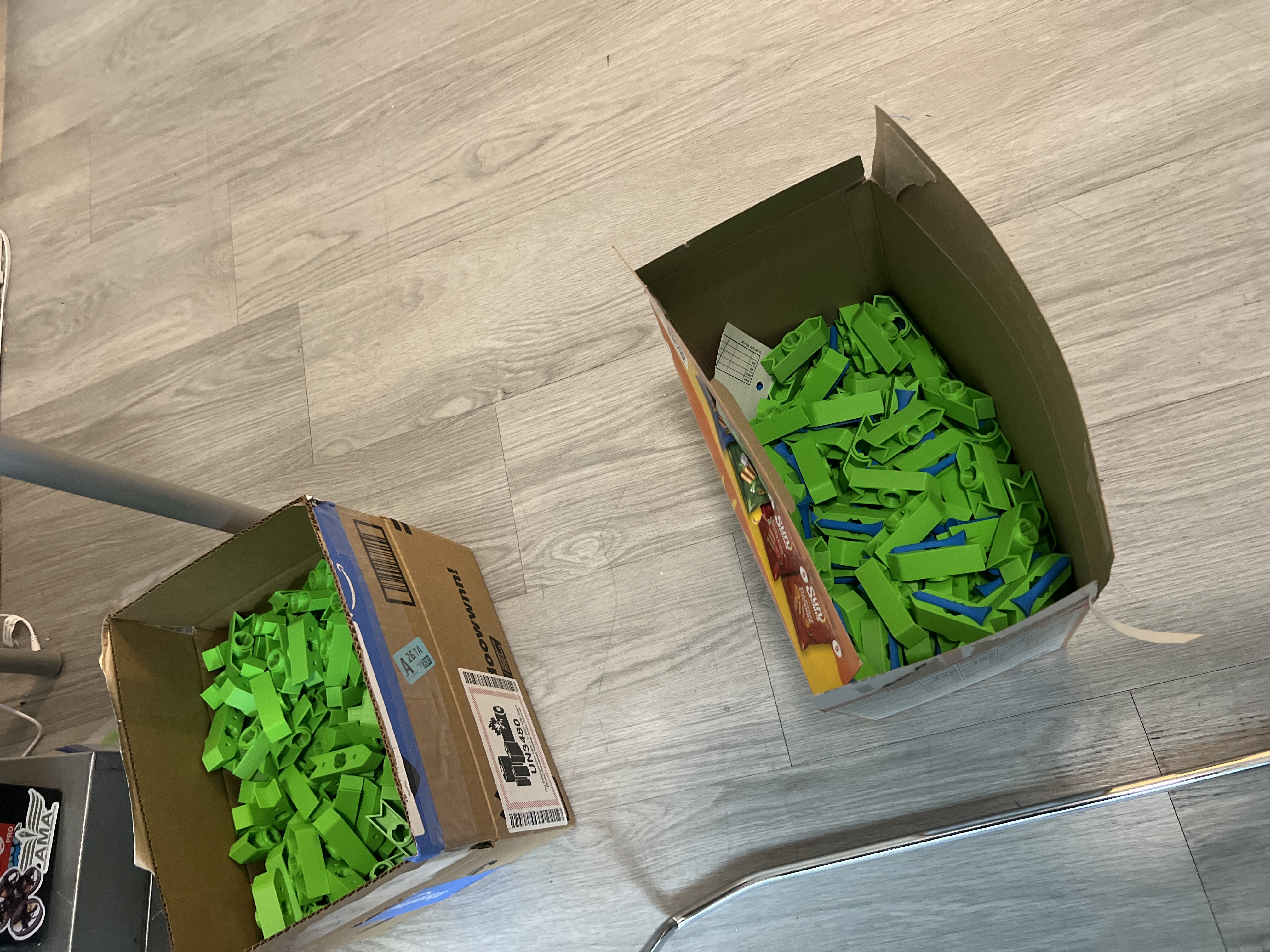
Alongside custom design I run bulk production orders for businesses that need real quantities.
Scaling on three printers
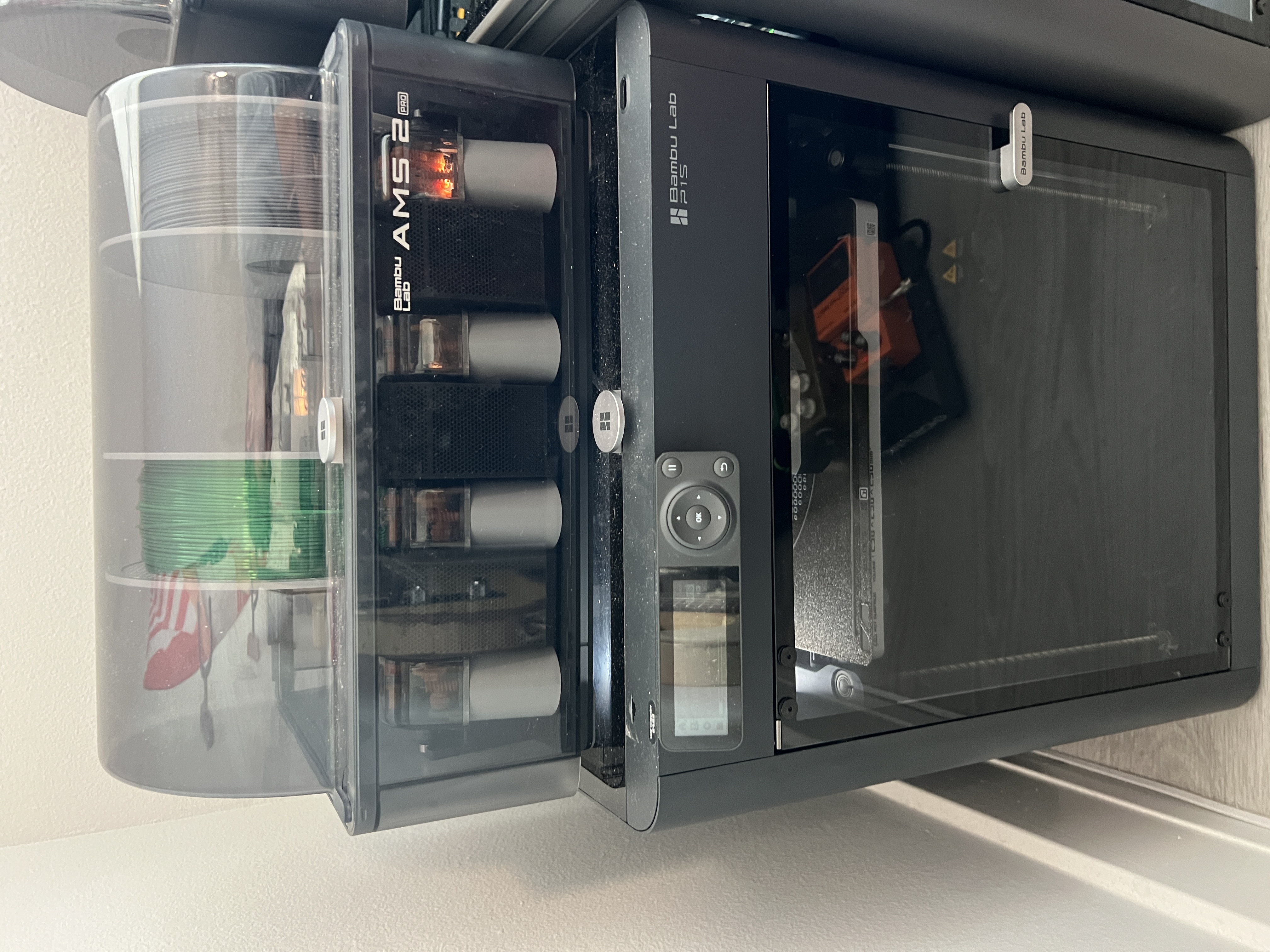
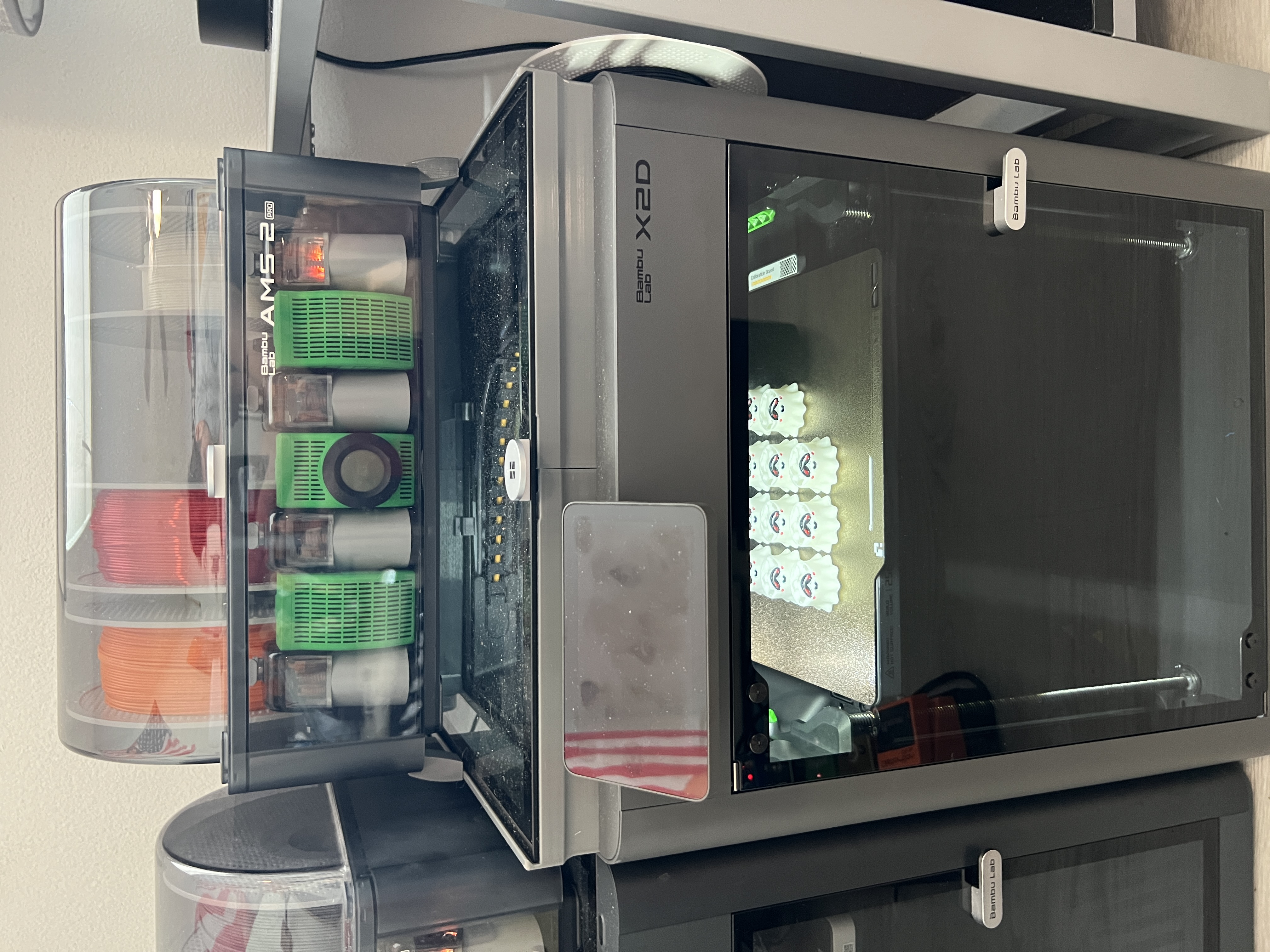
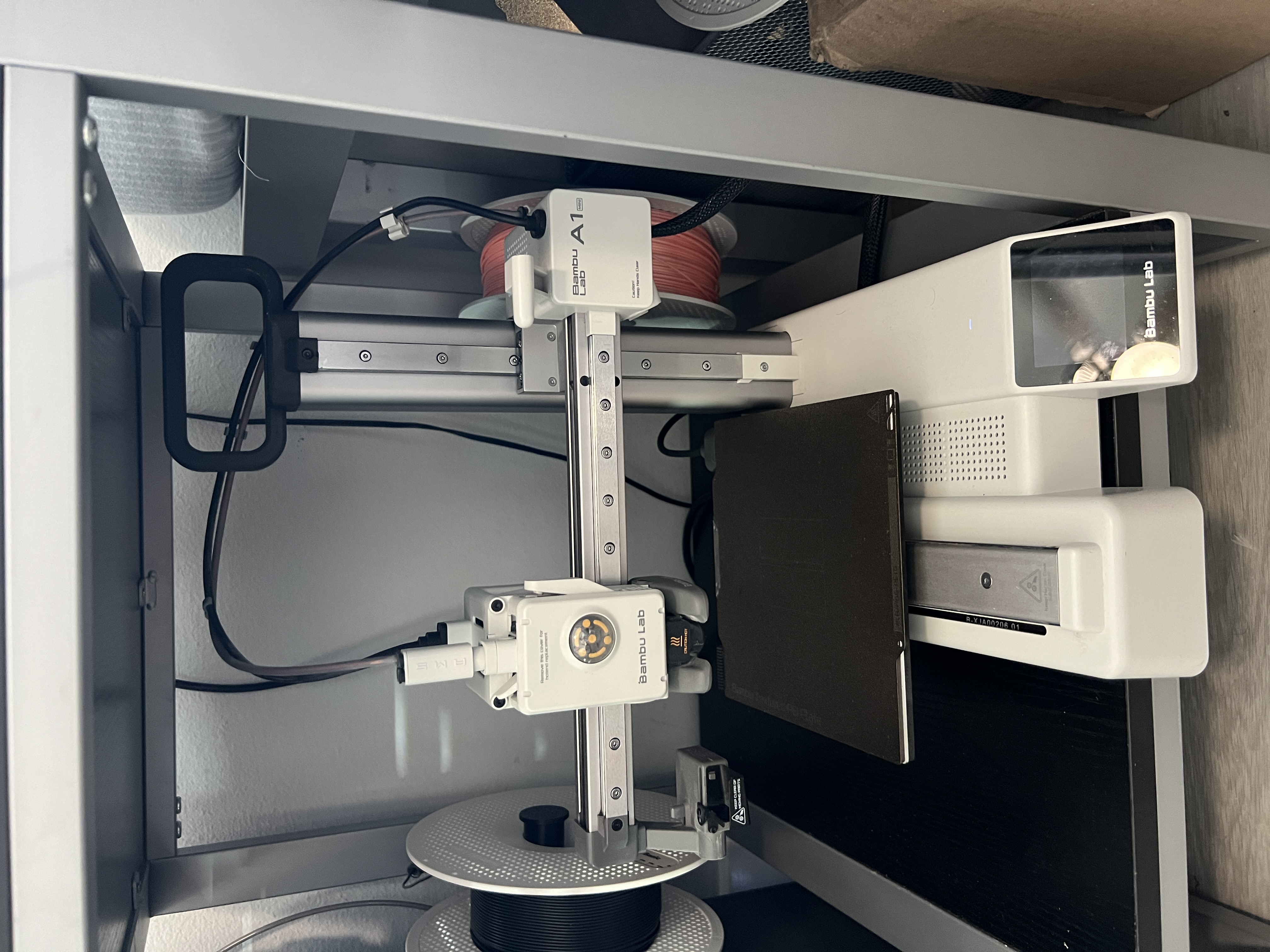
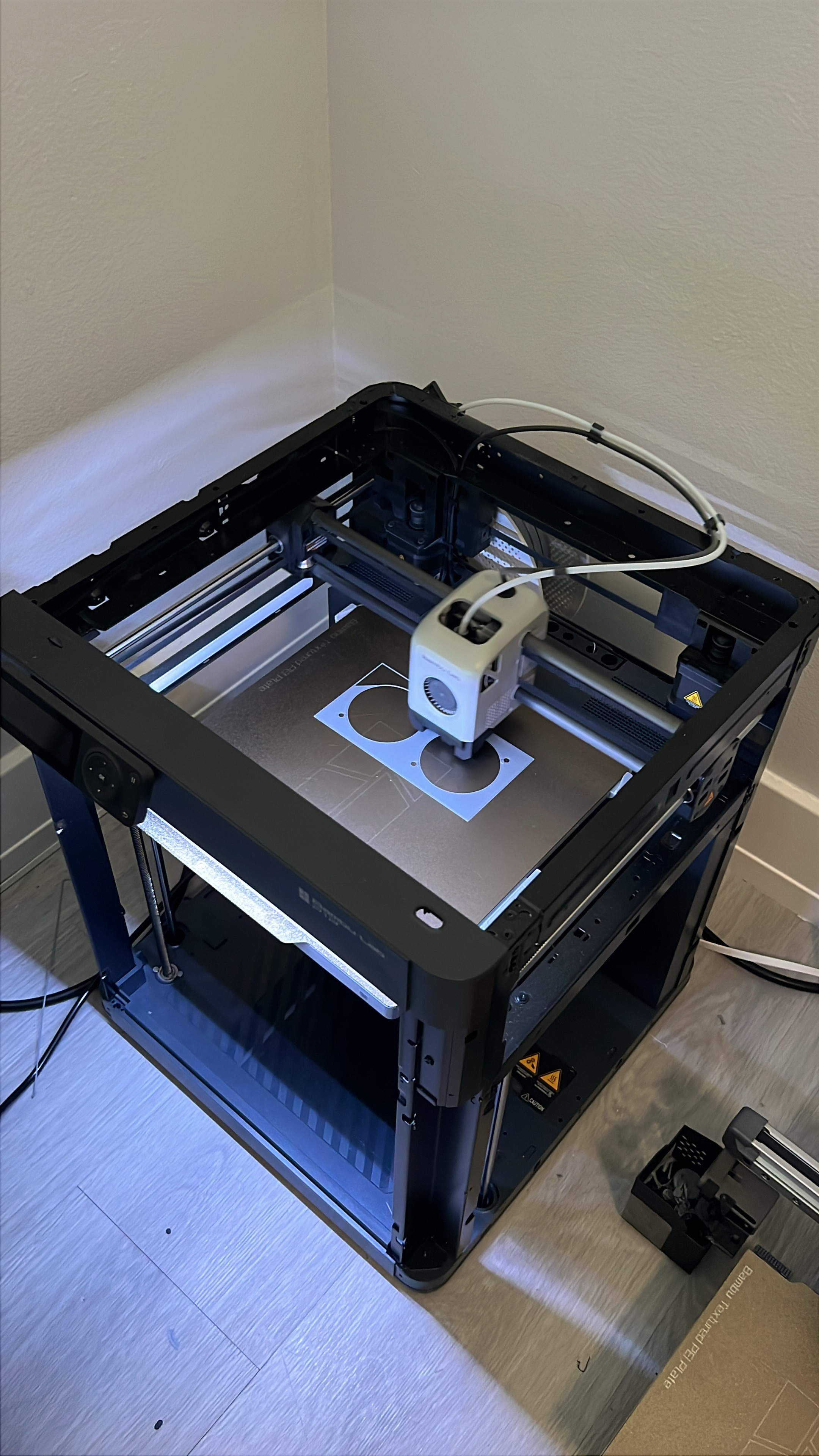
The hardest constraint is straightforward: I have three printers and orders that want more capacity than three printers have.
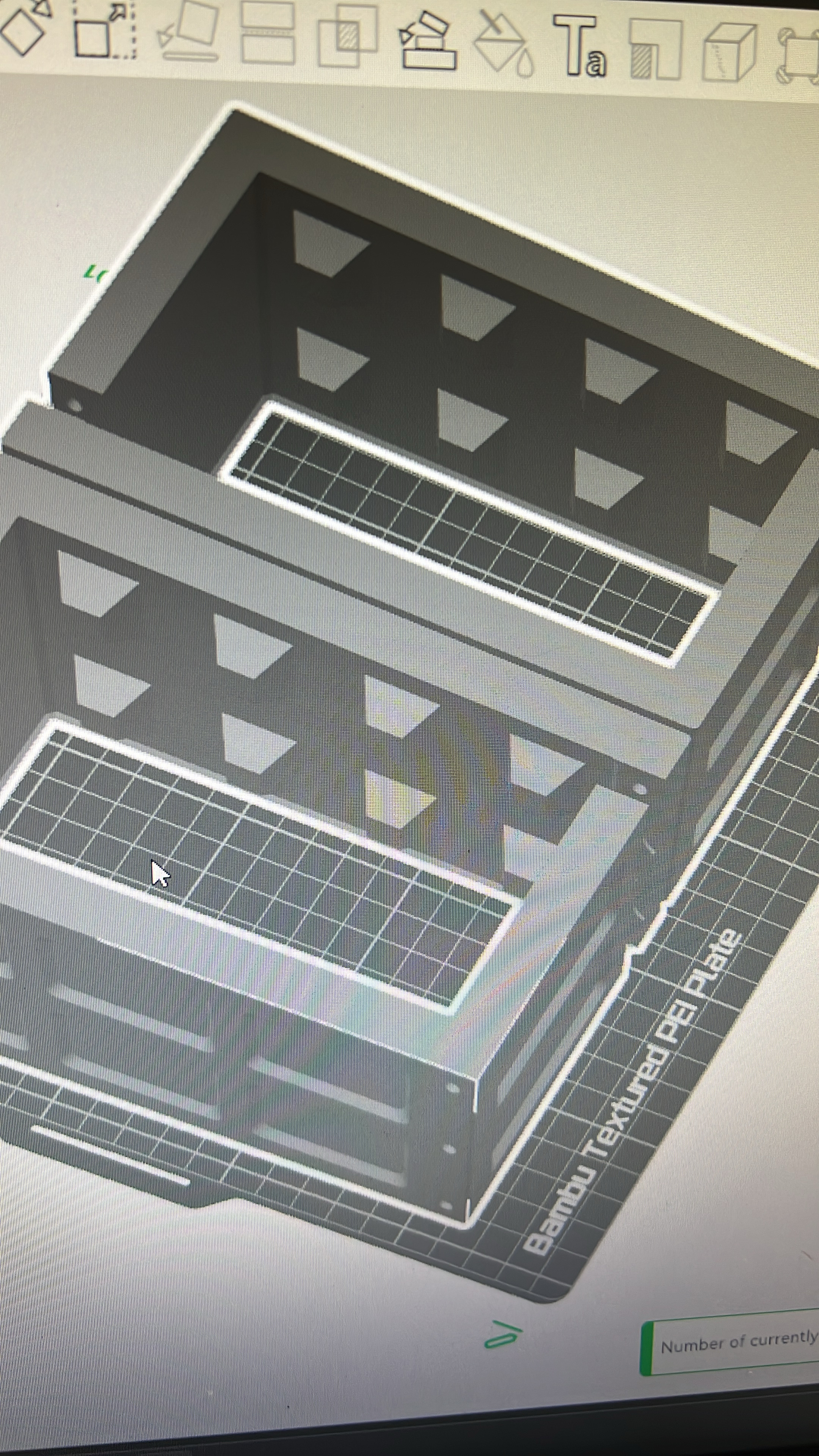
I attacked it from two directions. First, optimizing the prints themselves — orientation, settings, and part layout to cut hours off each job rather than adding machines. Second, buying filament in bulk, which lowers my cost per part and lets me price under competitors while keeping the margin.
Neither is glamorous, but together they are what made bulk orders possible without buying a print farm.
Representative work
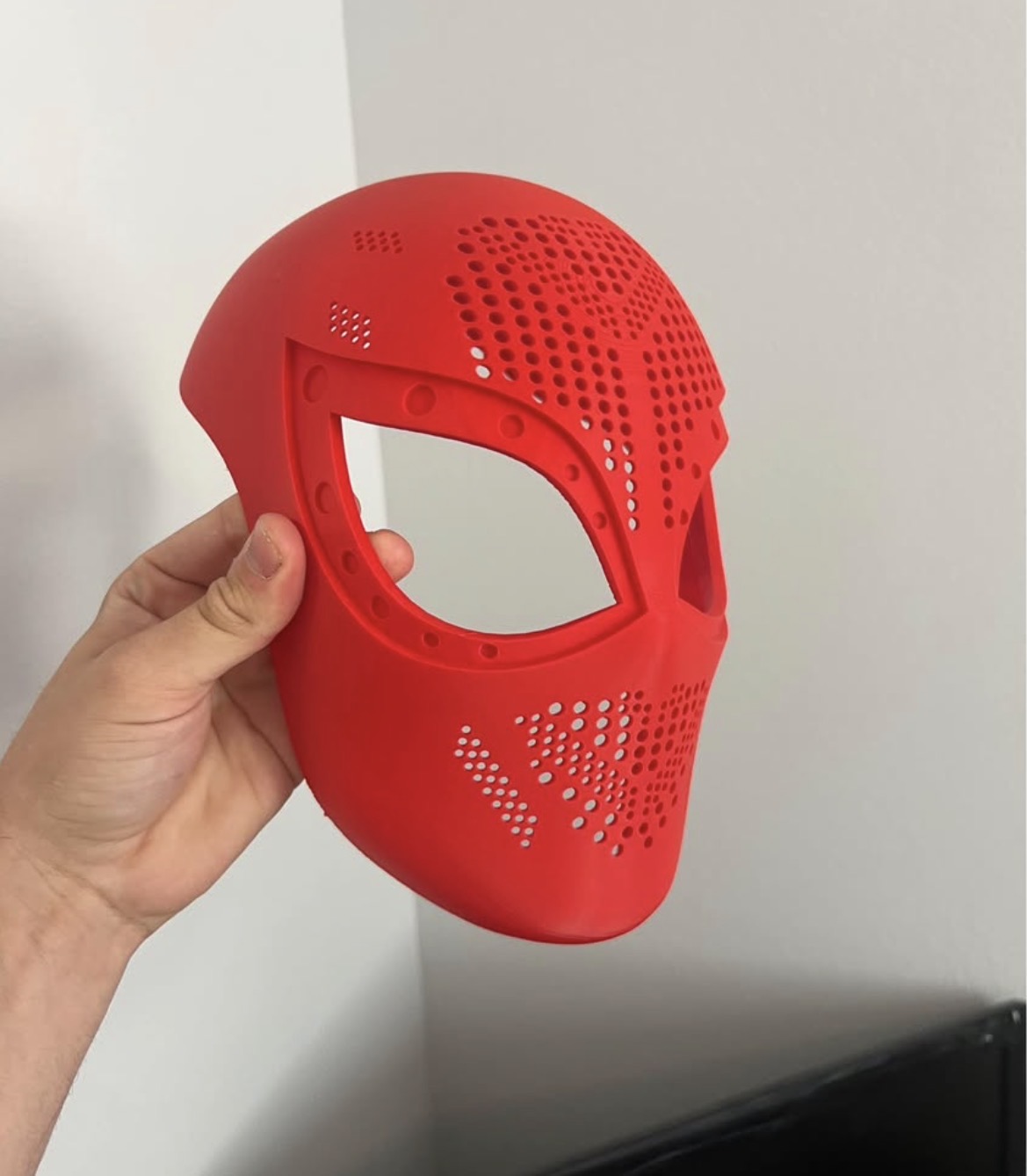
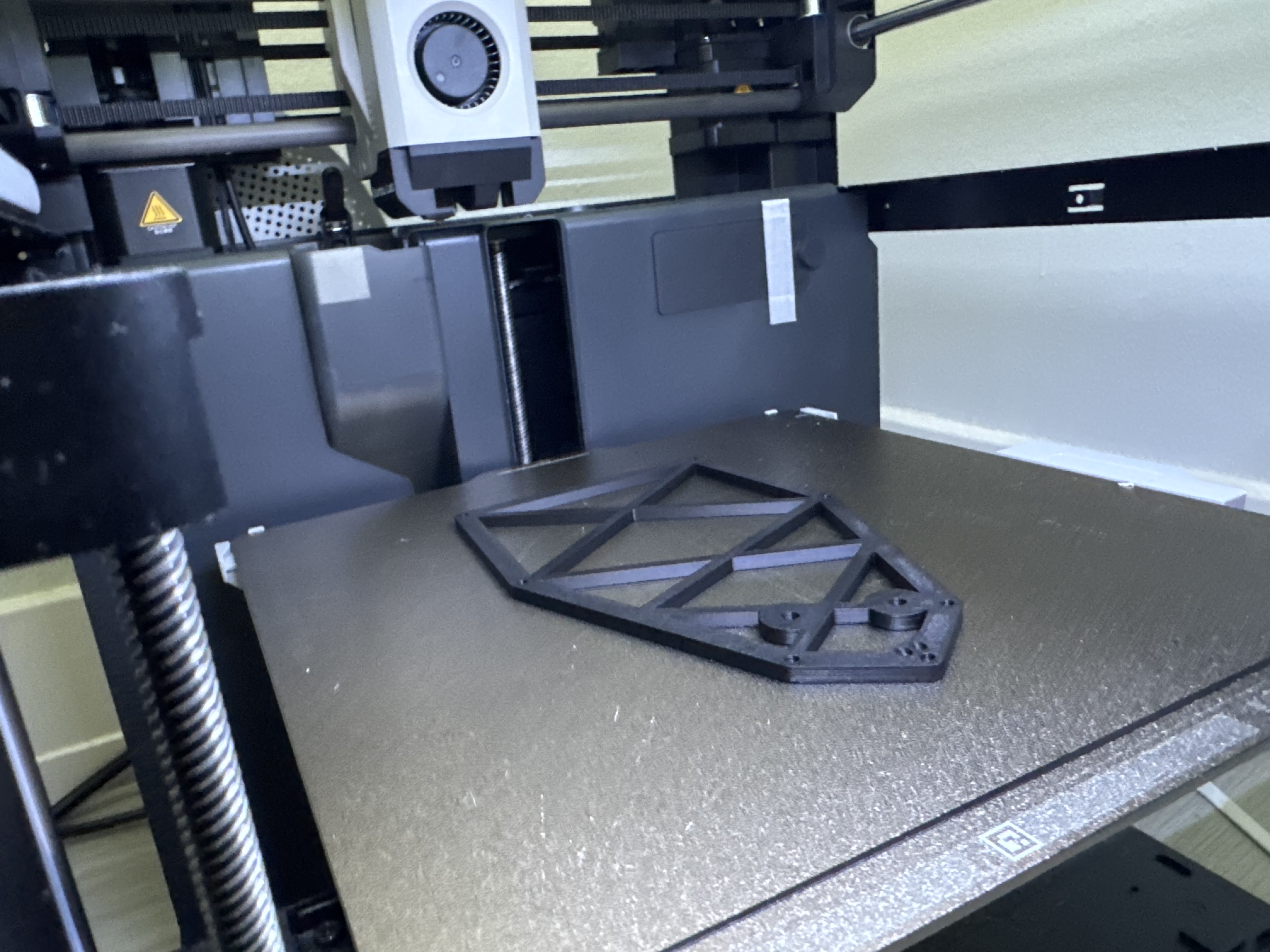
I designed and built a fixture for a business in Scottsdale — functional in what it needed to do, and finished in the company's colors so it looked like part of their brand rather than a 3D printed afterthought. Customers notice when a functional part is also presentable.
Across the business: over 1,400 hours of printing and more than 100 customers.